

On November 21, the Chinese Academy of Engineering (CAE) announced the results of its 2025 membership election. Professor Cheng Tao, Director of the Institute of Basic Medical Sciences (IBMS), Chinese Academy of Medical Sciences (CAMS) and Dean of the School of Basic Medicine (SBM), Peking Union Medical College (PUMC), has been elected as a Member of the Chinese Academy of Engineering.
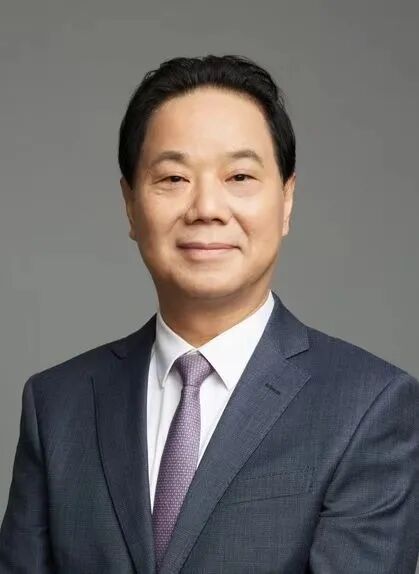
Personal Profile
Cheng Tao, male, born in August 1963, is a member of Chinese Peasants and Workers Democratic Party. He is a tenured professor of PUMC, a member of the Academic Consultation Committee of CAMS, Vice President of the Chinese Association for Physiological Sciences (CAPS), and Editor-in-Chief of Blood Science . From 1981 to 1989, he studied at Naval Medical University and earned his Master of Medicine in Hematology. In 1993, he went to the United States, where he studied and worked at the Hipple Cancer Research Center, Harvard Medical School, Massachusetts General Hospital and other institutions successively. From 2001 to 2003, he worked at the Cancer Institute of University of Pittsburgh and became a tenured professor. In July 2007, he returned to China and was appointed Executive Director of the Institute of Hematology & Blood Diseases Hospital, CAMS. In 2008, he became Director of the State Key Laboratory of Experimental Hematology. In 2012, he founded and chaired the Department of Stem Cell and Regenerative Medicine, PUMC. Since October 2019, he has been Director of the Institute of Hematology & Blood Diseases Hospital, CAMS. He has also been Director of Institute of Basic Medical Sciences, CAMS & Dean of School of Basic Medicine, PUMC since January 2021.
Research Interests and Academic Contributions
Professor Cheng Tao has devoted 38 years to hematology and regenerative medicine. Focusing on hematopoietic stem cells (HSCs), he has achieved a series of original discoveries addressing hematopoietic disorders caused by radiotherapy, chemotherapy, bone marrow transplantation or severe nuclear radiation injury. He proposed the theory of “stem cell efficacy”, discovered HSCs with superior transplantation efficacy, and revealed the key mechanisms underlying the functional impairment. He proposed the concept of “blood ecosystem”, deciphered its formation and remodeling laws, and developed new strategies for blood ecosystem reconstruction, which have been clinically validated. He proposed novel methods to restore the hematopoietic activity of cryopreserved umbilical cord blood, developed a new series of hematopoietic cell products, and expanded their clinical applications. He has undertaken 17 national major research and talent programs, published 315 SCI papers, and is recognized as a Highly Cited Researcher (Clarivate) and among the World’s Top 2% Scientists. He holds 40 authorized invention patents, with transfer contracts exceeding 100 million yuan. His major awards include the Second-Class Prize of the National Natural Science Award, National Innovation Pioneer Award, and Special-Class Prize of Tianjin Natural Science Award. He established the world’s largest living bone marrow cell bank and big data center for hematological diseases, led the development of the largest cell and gene therapy product incubation base in northern China. Under his leadership, the hospital has consecutively ranked first in China for its reputation in both hematology and the Science and Technology Evaluation Metric (STEM) for hematological diseases, and built the world’s largest center for diagnosis, treatment and regenerative medicine for hematological diseases, making outstanding contributions to the development of hematology and regenerative medicine in China.
Implementingunswervingly the strategy of “Strengthening the Institute with Talents”, IBMShas been committed to building a highland for basic medical research innovation and cultivating first-class talents.To date, the institute has constructed a strong team including eight members of the Chinese Academy of Sciences and the Chinese Academy of Engineering and more than 50 national high-level talents. IBMS has formed a collaborative innovation pattern featuring strategic scientists in overall planning, leading talents spearheading key research, young outstanding talents as the mainstay, and innovative teams working in coordination, laying a solid foundation for the integrated development of technology, education and talent. In the future, the institute will continue to shoulder its mission as an important component of China’s strategic scientific and technological forces to contribute to the achievement of high-level self-reliance and self-improvement in science and technology and the great goal of building a strong educational nation.